Calm city planning for nights out (40–60)

City guides that reduce friction—timing, seating, transit, and noise.

Use these quick, practical notes to pick the right neighborhood, arrive at the right time, and choose venues that match your comfort level—without overplanning.

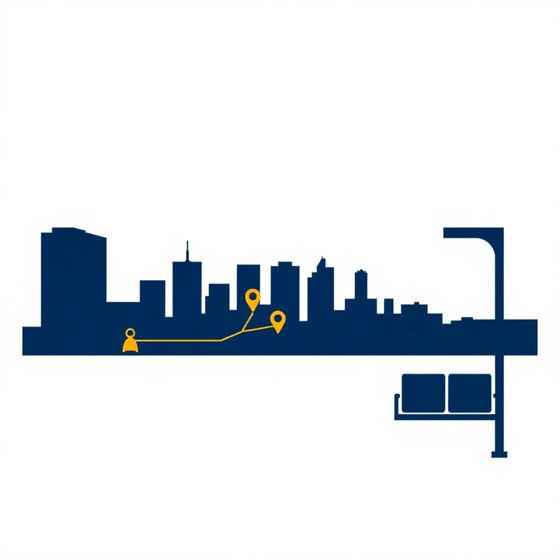
Illustration of a calm city night plan with a route line, a venue seat icon, and a clock

Timing

Doors, set times, and realistic arrival windows.

Comfort

Seating, noise cues, and view expectations.

Getting there

Transit, parking patterns, and walkability.

Neighborhood fit

What the block feels like after dark.

Planning cue: pick one “must-have” (seating, easy exit, quiet bar) and filter everything else around it.

City guides (quick planning cues)

Fast pointers for adults 40–60: when to arrive, where seated options are common, and the easiest way to get in and out.

New York City

Jazz, lounges, and early sets in Manhattan & Brooklyn

Late-night ready
Early start
Arrive 60–90 min before set for easy seating + coat check.
Seated
Look for table-service jazz rooms and lounge seating policies.
Transit
Subway first; rideshare pickup zones can be busy after 11pm.

Chicago

Blues clubs, jazz bars, and theater districts

Comfort first
Early start
Aim for doors; lines move slower once dinner service begins.
Seated
Many venues offer reserved tables—book ahead for weekends.
Transit
CTA works well; keep a short walk option for late trains.

Los Angeles

Listening rooms, rooftops, and low-key club nights

Plan parking
Early start
Build in 30–45 min buffer for traffic + venue check-in.
Seated
Check “listening room” formats—often seated with strict start times.
Transit
Parking is the variable; confirm lots, valet, and re-entry rules.

Austin

Live music blocks and easy bar-to-venue hops

Go earlier
Early start
Arrive for the opener—prime spots fill quickly on main strips.
Seated
Prioritize venues with mezzanine/balcony or reserved table areas.
Transit
Rideshare is common; note surge times around closing.

Miami

Dance nights, Latin music, and waterfront venues

Dress-aware
Early start
For seated dinners, target 7–8pm; clubs ramp later.
Seated
Reserve lounge seating when offered—standing areas can get dense.
Transit
Parking garages vary; confirm validations and walk distances.

Washington, DC

Intimate clubs, theaters, and neighborhood bars

Metro-friendly
Early start
Weeknights skew earlier; arrive before 8pm for easy entry.
Seated
Check ticket tiers—reserved seating often sells out first.
Transit
Metro is convenient; confirm last-train timing for late sets.

Tip: If “doors” and “set time” differ, plan your arrival around the experience you want—quiet table vs. lively crowd. Read: Doors vs Set Time

Neighborhood Notes

Arrive smooth, park smart, and time the crowd

Use these quick cues when scanning venue addresses. They’re city-agnostic on purpose—good defaults for adults who want the night to feel easy.

Arrival

  • Buffer: add 20–30 minutes if it’s a restaurant row or near a stadium/theater.
  • Entry lines: older buildings + small lobbies can back up quickly at doors.
  • Meet-ups: pick a landmark (hotel lobby, major corner) before heading to the venue.

Parking

  • Garages: easiest for a calm exit—save the garage name in your phone.
  • Street rules: watch residential permit zones and late-night meter cutoffs.
  • Rideshare: set pickup 1–2 blocks away from the main door to avoid the choke point.

When it gets busy

  • Happy hour zones: busiest 5–8pm; quieter again after dinner turnover.
  • Club corridors: lines build 9–11pm; leaving right after the headliner is the jam.
  • Neighborhood events: street fairs can block routes—confirm detours earlier in the day.

Fast “before you go” checklist

• Save venue address + cross street

• Screenshot tickets + barcode

• Confirm set time vs doors

• Pick a post-show meeting spot

Keep planning simple

Browse what’s on, then use one logistics pass to lock in timing and transport.

City guide: comfort-first venues

How to spot seated options (and what to verify)

“Seated” can mean anything from a full seated theater to a few cocktail tables along the wall. Before you buy, scan the venue and ticketing pages for the details below—especially if you prefer a predictable, sit-down night.

Fast signals it’s truly seated

  • Seat map / row & seat numbers on the ticket page (best indicator).
  • Table service language: “reserved table,” “booths,” “cabaret seating,” “dinner & show.”
  • Capacity & layout photos showing chairs per table and consistent sightlines.
  • Venue type keywords: performing arts center, jazz supper club, listening room.

Common “seated-ish” patterns

GA with limited seating
Some stools/tables exist but are first-come—arrive early or plan to stand between sets.
Standing floor + balcony seats
Balcony may require a different ticket tier; confirm which ticket you’re selecting.
“Seating not guaranteed” disclaimers
Treat as standing unless the ticket explicitly assigns seats or tables.
Minimum spend / table holds
Look for per-person minimums, service charges, and when tables are released to GA.

Quick checklist before you commit

  • Ticket type: reserved seat/table vs GA.
  • Arrival window: does seating depend on arrival time?
  • Sightlines: any pillars, elevated stage, or “partial view” notes?
  • Accessibility: wheelchair seating locations and companion seats.
  • Policies: late entry, re-entry, bag rules, age limits.

Planning cue: If the venue is “GA with some seats,” pair it with a transit plan that gets you there early. See Transit & Parking.

Want a deeper walk-through?

Our articles break down seating language, fees, and what “doors” timing implies for table holds.

Transit and Parking

Use these practical cues to plan a calm arrival and an easy exit. Policies change fast—always confirm the latest venue rules and local transit/parking restrictions before you go.

Public transit

  • Check service alerts and late-night frequency.
  • Know the closest accessible station/stop if needed.
  • Plan a backup (rideshare or cab stand) for the return.

Rideshare & taxis

  • Arrive early to avoid surge + traffic bottlenecks.
  • Confirm the designated pick-up zone after 10pm.
  • Send your ETA to a friend if you’re leaving solo.

Driving & parking

  • Check street rules (meters, permits, tow zones).
  • Note garage hours—some close before the show ends.
  • Park for the exit: choose the direction you’ll leave.

After the show

  • Wait in a well-lit area with others when possible.
  • Give the crowd 10–15 minutes to thin out.
  • Keep a “last train” time in mind for transit nights.

Planning next: pair this with our easy logistics notes and your personal comfort checklist.